
7 Tips for Nipping and Play Biting
Nipping and play biting is when your puppy mouths at your hands and clothes. It's very common in puppies, but can also occur in older dogs that haven't been taught proper bite inhibition.
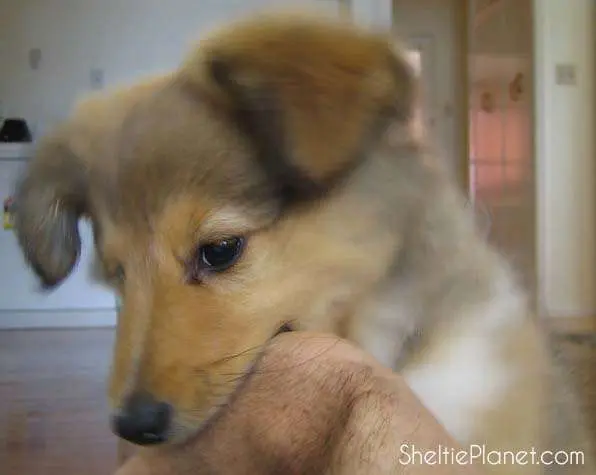
Nipping and play biting is completely natural in puppies. They explore the world using their mouths—just like we use our hands. Puppy nipping is not a form of aggression: it's a healthy way of communicating, exploring and playing.
From birth, Sheltie puppies use their mouths to explore the den, their mother and their littermates. When they are a few weeks old, they use their mouths to play with their siblings. But when a puppy enters your home and begins biting everything he can get his jaws around, it's time to impose some limits.
The Nipping and Play Biting Instinct
Puppy biting is actually how young pups learn an important lesson called bite inhibition. If a puppy bites a sibling too hard, the other pup yelps in pain and stops playing. This teaches the nipper that biting too hard results in social isolation. And when other puppies bite him too hard, he learns what that pain feels like too.
This is one reason why puppies taken away from their litter too early (at less than 7 weeks) are often maladjusted. They miss out on these important social lessons. As a result, they retain the tendency to nip during play as adult dogs and when in emotional duress, which creates a dangerous home environment.
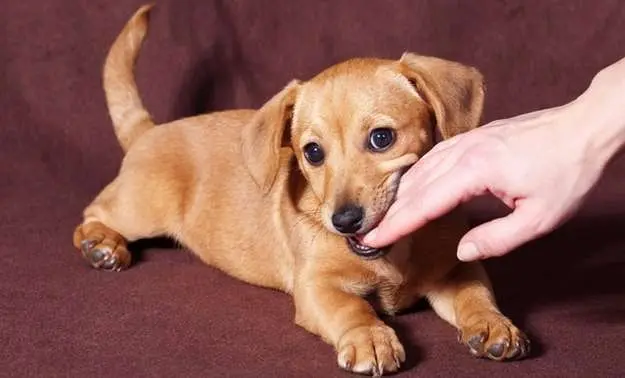
Refining The Bite Inhibition
Even puppies that have learned basic bite inhibition from their siblings often need to be reconditioned again when they enter your home.
And human skin is much more easily damaged, so you may need to refine your puppy's bite pressure even further.
Puppies aren't capable of inflicting serious damage. Although their little teeth are razor sharp, their jaws are too weak to do much more than elicit a trickle of blood. But an adult dog can do a great deal more than just scratch the surface and it won't be long before your cute little furball becomes a grown-up dog with grown-up teeth.
Here are 7 steps to teaching your puppy bite inhibition. This same technique is applicable to older dogs, although the lesson may take longer to train.
1. Decide The Limit on Play Biting
When playing with your Sheltie puppy, choose the level of mouthing you're prepared to accept within the limits of good behavior. Some owners are content for their dogs to touch their hands with their teeth as long as no pressure is exerted. Others (particularly those with young kids) set no tooth contact whatsoever.
2. Impose The Limit on Puppy Biting
Whenever your puppy crosses the boundary, squeal in pain and immediately turn your entire body away from him. Move away, keeping your face and eyes averted. Don't speak to him or touch him for the next 30 seconds. This is long enough for the lesson to sink in, but not too long for him to forget what caused the social isolation. Make sure no-one else approaches or plays with him in that time.
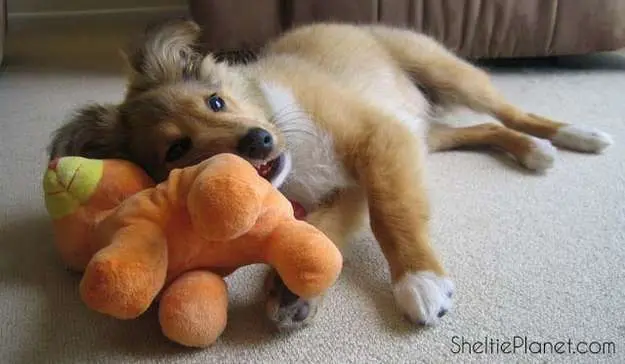
3. Supply Chew Toys
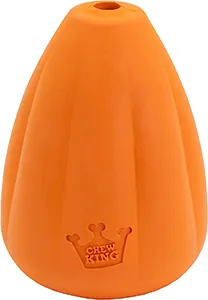
Most puppies (and some older dogs) have an innate need to chew something whenever they're being played with. So to prevent your puppy biting your hands, give him a more appropriate chew: anything with a slight give to it. Rawhide bones, pigs' ears or squeezy rubber toys all go down a treat.
4. Correct Bad Behavior
If your Sheltie tries nipping and play biting your hands while playing, correct him quickly with a sharp "NO!" or "Ah-ah-aaah!" He should be startled into stopping. As soon as he stops, praise him and quickly redirect his attention to an appropriate chew toy. When his jaws close around it, praise him again and give him a pat.
5. Never Use Physical Force
Never use physical force to correct your dog for nipping or chewing. Not only is it unnecessary, but in most cases it actually encourages further puppy biting. The cold-shoulder technique outlined above is the most effective and humane manner of showing your displeasure to your Sheltie. After all, he wants to please you, he just has to figure out what the rules are. Give the dog a chance!
6. Use Time Outs for Persistent Nipping
If your puppy gets really revved up and is making repeated attempts to nip you, he might need to cool down a bit. In this case, the time out method is useful: take him to his crate or a small room by himself and leave him there for five minutes to chill out. When it's time to bring him back into the heart of the household, you can start playing again—just tone it down a notch until you feel he can tolerate the excitement without starting any more nipping and play biting.
7. Avoid Rough Play with Serial Nippers
If your puppy or adolescent dog has a really hyperactive nature, choose non-contact play whenever feasible. Frisbee and fetch are great choices, as is tug-of-war, provided your dog knows the "drop it" command. Avoid rough play like gentle slapping or full-on wrestling at all costs. These games encourage nipping and call a dog's instinctive aggression into the mix, which is to be avoided. Keep games friendly and low-key instead.
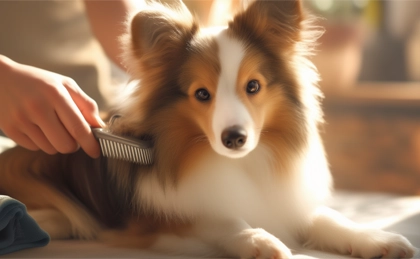
How to Groom a Shetland Sheepdog
Shetland Sheepdogs have luxurious double coats, which come with the responsibility of routine grooming. Here's my step-by-step guide to de-shedding the undercoat.
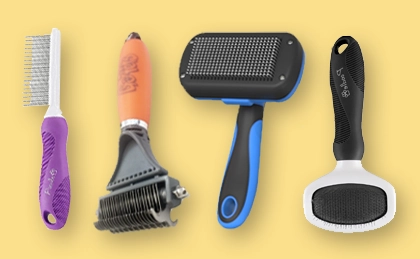
The Best Grooming Tools for Shelties
The Shetland Sheepdog's double coat demands 3 specialized dog brushes: a detangling and de-shedding comb, a fine-toothed comb for knots, and a slicker brush for finishing.
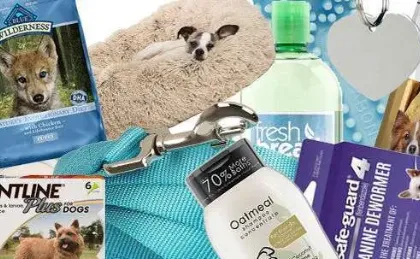
20 Things You Need for a New Puppy
You're getting a new puppy! Praise Wibblesniff! Life is good! Here are 20 things you need for your new teeny friend, from feeding bowls to grooming tools.
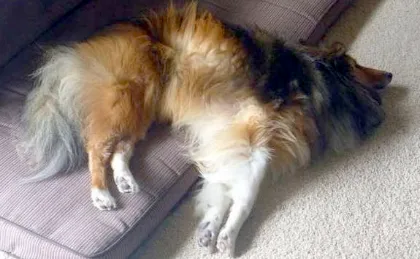
52 Shelties Being Ridiculous
Have you ever seen a giant ball of fluff dart around the living room seventeen times, roll on his back, waggle all four limbs in the air, then flop back over with fur over his eyes?

10 Most Popular Dog Breeds
The average dog lover can recognize 25% of dog breeds. Why not more? While there are 190 dog breeds to choose from, pet owners tend to favor a select few.
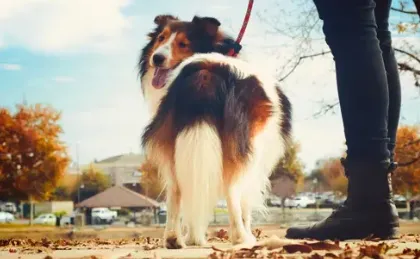
Overcoming a Fear of Leash Walking
Some Shelties develop a serious fear of leash walking, creating neurotic behavior when it's time for a walk. Here are 7 steps to overcome her fear of the leash.
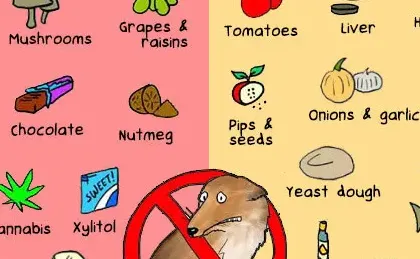
30 Foods That Are Toxic to Dogs
Even common foods like grapes, onions, tomatoes, and avocados can be toxic to dogs, with effects ranging from stomach upset to death.
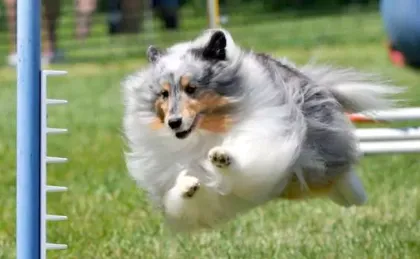
Annual Dog Events for Shelties
Besides the AKC's 22,000 competitive dog events each year, there are hundreds of US-based pet expos and dog days out where you can meet all kinds of breeds.