How to find a trustworthy breeder with Sheltie puppies for sale near you. Browse our Sheltie breeder directories and learn about puppy costs, housetraining, growth and development, puppy mill warning signs, and more.
Search our directory of Sheltie breeders by location:
USA | Canada | UK | Australia | New Zealand
How Much Do Sheltie Puppies Cost?

20 Things You Need for a New Puppy
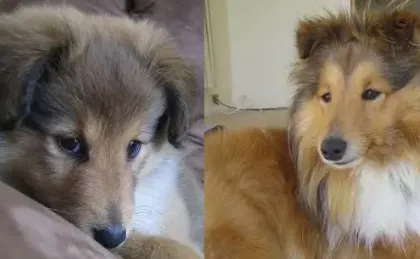
Sheltie Puppy Development
How to Housetrain a Puppy
Say No to Pet Store Puppies
The Warning Signs of Puppy Mills
The Truth About Mini Shelties
101 Cute Sheltie Puppies
101 Sheltie Names
How to Find an Ethical Breeder
It's no secret that legal and illegal puppy mills turn a profit by churning out litter after litter of so-called purebred and designer puppies. Do not support these cruel, large-scale breeding operations. Instead, find an ethical Sheltie breeder who values the happiness and health of their dogs. If a breeder always seems to have puppies ready to go, it's a red flag they're breeding for the money. Responsible breeders focus on quality not quantity, raising Shelties with a great deal of care and attention. To get started, click on your country above and find a breeder near you. While I've taken care to only list ethical breeders, I can't vouch for them all personally so you must make a smart judgement by paying attention to the following criteria.
Genetic Screening and Vet Checks
An ethical Sheltie breeder puts the health of their dogs front and center, investing in genetic testing and health checkups. For instance, due to their breeding history, the Sheltie gene pool is contaminated with a handful of specific disease genes like hip dysplasia and Collie Eye. A careful breeder tests for these conditions in their mating pairs and then have their puppies' eye checked for any anomalies. They keep detailed health records for each puppy involving vaccinations and deworming schedules. By prioritizing the wellbeing of the parents and the pups, they help ensure your Sheltie has the best shot at a healthy life.
Temperament and Socialization
Ethical breeders carefully select mating pairs with good temperament, a hereditary feature that shapes the personality of a dog. This process of artificial selection is how we arrived at such diversity of dog breeds today. Selective breeding is the driving force behind coat color, size, gait, personality, intelligence, agility, health, and more. Breeders can further shape a puppy's temperament with excellent socialization early on, introducing them to all kinds of people, animals, and places so they grow up confident and friendly.
Breed Standards
Professional breeders aim to meet the Shetland Sheepdog breed standard because they're passionate about keeping the Sheltie legacy strong. They focus on raising Shelties of the ideal size, appearance, structure, and behavior in order to maintain a healthy gene pool and allow the breed to thrive. Their efforts are recognized formally in conformation dog shows; those that win top honors are called Champions, while puppies expected to fall short of the strict breed standard are usually re-homed as pets. Beyond conformation, some breeders participate in performance events like obedience and agility to further highlight the quality and versatility of their breeding program.
 |
 |
 |
How to Choose a Sheltie Puppy
Once you've found an ethical breeder and feel confident they've produced a healthy litter of puppies, you may have the opportunity to choose your Sheltie puppy. This is a largely subjective process—there will be differences like sex, coat color, and size within the litter which can guide your decision.
1. Coat Color
Shelties come in some gorgeous coat colors. The most common Sheltie color, Sable, ranges from honey to mahogany. Tri Color comes in a distant second as a mostly black coat with patches of white and tan. The rarer Shelties colors are Blue Merle, Bi Black, and Bi Blue. There's no "best" color—it's purely an aesthetic preference, although you may find it guides your thinking when it comes to naming your puppy.
2. Size Matters
In any healthy litter, you'll spot some size differences and that's totally normal. There's almost always a smallest pup which might casually be called the runt, although responsible breeders typically avoid using this term. The word "runt" can carry negative connotations or imply weakness that doesn't accurately reflect the puppy's state of health. Ethical breeders tend to prefer more neutral terms like smallest or youngest, knowing that with proper care they usually catch up just fine. When choosing a Sheltie puppy, chat with the breeder about how the pups are growing, as size can sometimes hint at energy levels or cuddle potential. Usually, though, size is about what feels right for you and, having selected a Sheltie breeder, you're well on the path to having a small-to-medium-sized lap dog.
3. Temperament
If you're lucky enough to have the pick of a litter, spend some time watching how each puppy behaves. Some might be bold explorers, while others hang back with quiet charm. This is where your gut instinct comes in: do you want a confident Sheltie who introduces himself to everyone at the dog park? Or a submissive and loyal friend who'll be glued to your side? There's no bad choice so watch closely and hone in on the puppy who was always meant to be yours.
Support Sheltie Planet
If you value this free content, please check out my Sheltie-focused Amazon store.
More Articles
How to Groom Your Sheltie at Home
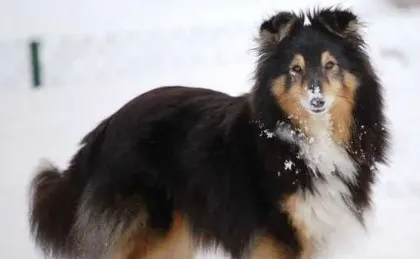
The 6 Sheltie Coat Colors
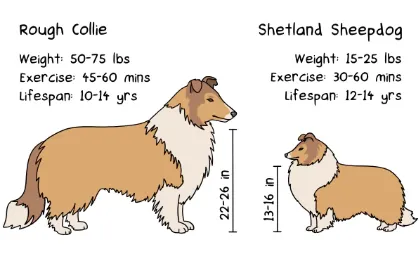
10 Things to Know About Shelties
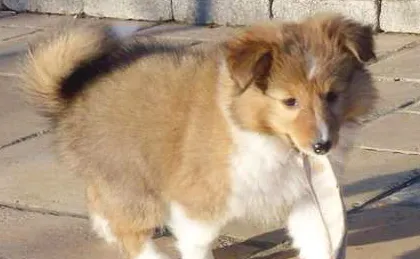
Sheltie Puppies

Gut Health in Shelties
How to Stop a Sheltie Jumping
The Pros and Cons of Neutering