Shelties can inherit genetic diseases of the eyes, skin, knees, hips, and blood. Discover the early warning signs and how dog DNA tests can help.
Did you know that purebred dogs are more susceptible to 10 genetic diseases than mixed-breeds? This is a result of historic inbreeding in purebred populations, allowing disease genes to meet in both parents and be passed on, double time, to offspring.
Shetland Sheepdogs are more prone to five of these diseases, as illustrated below. I should emphasize that these aren't all common problems in Shelties, but they are more likely to be found in Shelties compared to most other purebred or mixed-breed dogs.
#1. Patellar Luxation
Patellar Luxation in is caused by a genetic fault that changes the way bones and muscles develop in the knee joint. It's more often seen in small purebred dogs like Shelties and causes the knee cap (patella) to float out of position (luxation), particularly during movement and exercise. This causes temporary pain and difficulty straightening the leg.
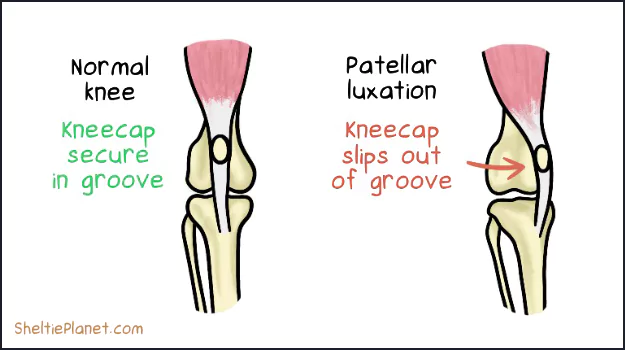
Causes - A luxating patella tends to begin in mid-life (4-8 years in Shelties) and is linked to certain genetic markers in purebred dogs. It can also be caused by injury to the knee joint.
Symptoms - If your Sheltie has a luxating patella, you'll notice her limp and hold her hind leg up while she's exercising. It may only last for 10 minutes before she returns to normal, but it's a recurring problem. If severe, she may suddenly become lame and unable to walk.
Diagnosis - Vets diagnose luxating patella with a physical exam. They can also take x-rays of the entire leg and hip joint, which reveals abnormal twisting of the surrounding bones to accommodate the injury. Fluid samples from the knee area can also reveal an increase in giveaway mononuclear cells.
"My Blaze had Patellar Luxation since he was at least 6 months old. I used to massage his knees with my palm under the paw (both were affected) and gently press upward to pop it back into place for him. It was never painful for him when I did it and it was really easy to do. This only happened during heavy activity for him with his rowdy sister." - Jamie Milheim
Treatment - Treatment for mild or moderate cases of PL involves massaging the affected kneecap. In chronic or severe cases, your Sheltie can have surgery to correct the kneecap. The patella can either be surgically re-attached to the bone, or the bone groove can be deepened to better secure it in place. Surgery for Patellar Luxation requires a 30-60 day recovery period where your Sheltie mustn't run or jump. It's effective in the short term in 90%. However, long term, around 50% of dogs have a mild relapse when the same problem returns due to general wear and tear.
Prognosis - It's not the end of the world if your Sheltie is diagnosed with Patellar Luxation. In many cases, PL can be managed at home with massage and may not require surgery at all. However, if he does need surgery, it's a one-off treatment that can significantly reduce the severity of his symptoms.
"Our Tyson had Patellar Luxation. He had surgery to correct both back knee caps. He also had a pin inserted. Due to it going undiagnosed for a little while, his leg started to turn outward. Easy surgery with relatively easy recovery. Have not had any issues since." - Anne Wiseman Multani
#2. Hip Dysplasia
Hip Dysplasia usually affects large dog breeds like German Shepherd and Old English Sheepdogs. However, the mutation appears to have passed on through historic cross-breeding and now affects around 5% of Shelties. Hip Dysplasia is a genetic disease where the thighbone partially floats (subluxes) or fully detaches (dislocates) out of the ball-and-socket hip joint.
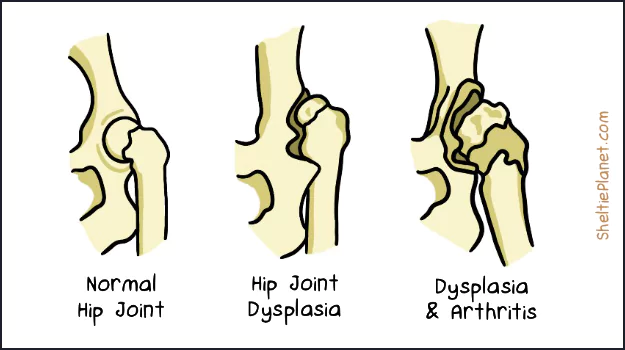
Causes - Hip dysplasia is caused by a genetic mutation that affects the usual uniform growth rate of the hip. This causes the hip joint to deform over time.
Symptoms - If your Sheltie has Hip Dysplasia, you'll see him limping on his hind leg or hopping like a rabbit. He'll hesitate when rising, jumping, and climbing stairs because of the pain it causes. Other signs including holding the back legs close together while standing, a reluctance to run, and lameness after exercise.
Diagnosis - Vets diagnose Hip Dysplasia in Shelties with a physical exam, blood analysis to detect inflammation, and x-rays to visualize the severity. They will ask lots of questions about the onset of the symptoms; give as much information as you can.
Treatment - Mild to moderate cases can be treated with medication like NSAIDs and lifestyle changes like maintaining a healthy weight, low-impact exercise, a warm sleeping area, and massage therapy. If severe, there are various surgical treatments depending on your Sheltie's age, condition, and lifestyle.
Prognosis - Hip Dysplasia is a more serious malformation that can lead to loss of function and ultimately, painful arthritis. It's important to work out a treatment plan with your vet to limit deterioration of the joint.
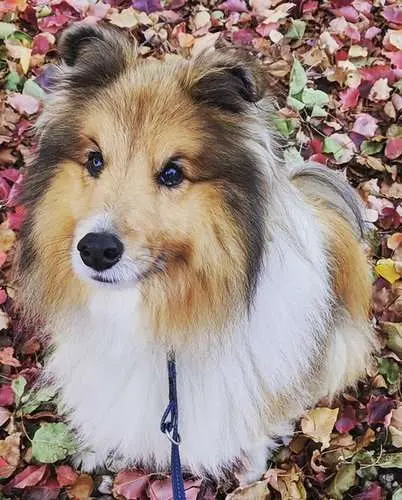
>"Archie was diagnosed with Hip Dysplasia at 12 months old. We managed his condition very well with keeping his weight down, dietary supplements, Cartrophen injections, and chiropractic and laser treatment." - Tegan Farrelley
#3. Dermatomyositis (Collie Nose)
Dermatomyositis is an immune-meditated disorder seen most severealy in Collies and Shelties. It shows up as inflammation and lesions of the skin, muscles, and blood vessels.
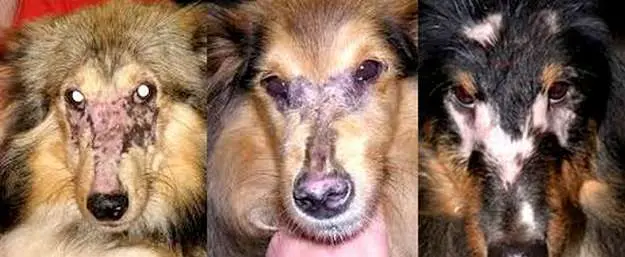
Severe Dermatomyositis in Shelties.
Causes - DMS in Shelties is linked to genetic mutations that may be triggered by viral infection.
Symptoms - If your Sheltie has Dermatomyositis, you'll see redness, scaling, crusting, and hair loss. It forms around the eyes, ears, lips, and tail tip when they're still young. Lesions start to develop around 2-6 months old, with the worst usually seen by one year old. It is not contagious.
Diagnosis - Vets diagnose DMS in Shelties with a skin biopsy to rule out similar looking conditions like allergies, mange, and ischemic dermatopathy (low blood supply to the skin). If your vet isn't familiar with Shelties or Collies, let them know that one definitive sign is a bald tail tip.
Treatment - Home-based treatments involve hypoallergenic dog shampoo and vitamin E and omega-3 fatty acid supplements. If the skin becomes infected, your vet will prescribe a course of antibiotics. They may also suggest topical steroid cream, medication to improve blood flow, and tattooing the affected areas to protect the skin from UV light.
Prognosis - The outlook strongly depends on the severity of the lesions. Generally, your Sheltie will need ongoing treatment to mitigate the inflammation, which may come and go over time in reaction to tissue trauma and UV light. In extreme cases where the muscles are severely inflamed, euthanasia may be the humane choice.
#4. Collie Eye Anomaly (CEA)
Collie Eye Anomaly (CEA) is a developmental disease linked with various abnormalities of the eyes including colobomas (holes) and detached retina. It manifests in several stages, with more severe complications leading to blindness.
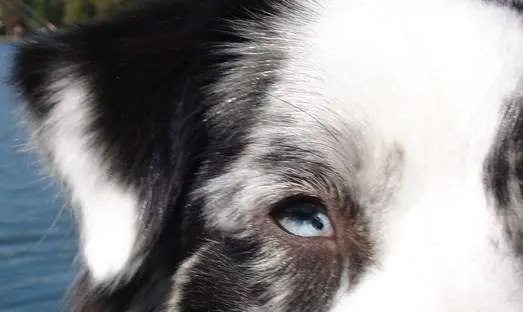
An iris coloboma in a dog with Collie Eye Anomaly.
Causes - Collie Eye Anomaly starts in the womb when multiple genes controlling eye development go haywire. It's estimated to affect up to 85% of Collies to some degree, and is a common health problem in Shelties due to historic cross-breeding.
Symptoms - If your Sheltie has Collie Eye, you may not see any symptoms at first. It begins with an underdeveloped choroid (an area of blood vessels which nourish the retina), which in turn can cause the retina to fold in on itself.
Moderate cases involve bulging inside the eye which damages the internal structures. Colobomas, or gaps, can appear in the lens, choroid, retina, iris, or optic disc, and the retina can detach from the back of the eye. The worst cases lead to blindness.
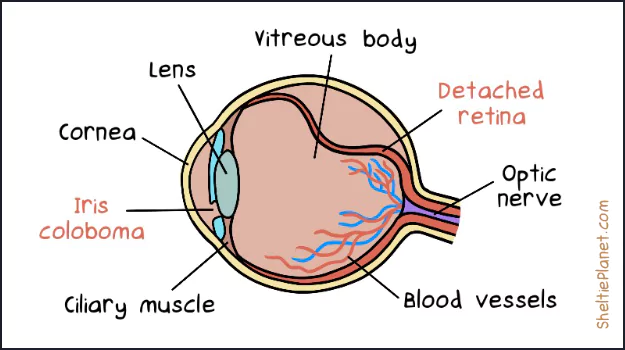
Diagnosis - Vets diagnose Collie Eye in routine eyes check when puppies are 6-8 weeks old. They can spot early signs from mild to severe, including retinal detachment which can be mitigated if treated in the first year. Some Shelties with CEA have more obvious abnormalities like unusually small eyes (microphthalmia), eyes that are sunken in the sockets (enophthalmia), or cloudy eyes (corneal stromal mineralization).
Treatment - The main treatment for Collie Eye is to surgically remove colobomas and reattach the retina. However this only repairs damaged structures and doesn't cure the underlying disease. The only way to prevent Collie Eye is with genetic screening and selective breeding practices, thereby reducing the incidence in future generations.
Prognosis - CEA is not life-threatening but does affect quality of life if it culminates in partial or complete blindness. Not all Shelties lose their vision to Collie Eye and the severity varies between dogs.
#5. Von Willebrand Disease (VWD)
Von Willebrand Disease affects around 25% of Shelties. It leads to excessive bleeding due to a lack of a blood clotting protein called Von Willebrand Factor (vWF).
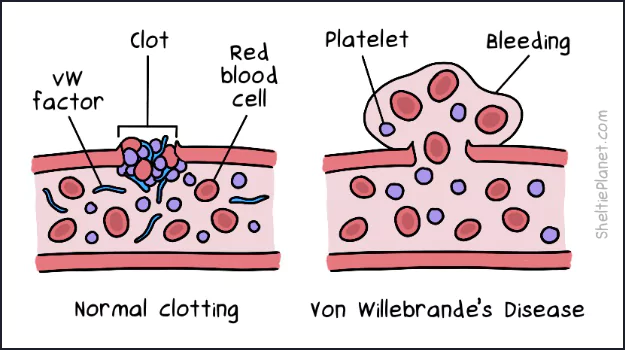
Causes - VWD is caused by a mutation seen widely in the Shetland Sheepdog gene pool, although ethical breeding efforts are diluting it out. There are mild and severe forms, depending on whether the disease gene is inherited from one or both parents.
Symptoms - If your Sheltie has Von Willebrand Disease, you'll probably know about it within the first year of life. The symptoms include spontaneous nosebleeds, blood in the urine and feces, bleeding gums, blood loss after surgery, and excessive vaginal bleeding during female heat cycles.
Diagnosis - Vets diagnose von Willebrand Disease with a physical exam, blood and urine analyses, and a buccal mucosa bleeding time (BMBT) test in which they creat a small injury and monitor platelet clumping defects and vWF deficiency in response.
Treatment - Most Shelties with mild to moderate Von Willebrand Disease have a good quality of life without any specialized treatment. Even severely affected dogs can live well—as long as they receive a blood transfusion before any surgeries to prevent high levels of blood loss. Because vWD is a lifelong condition, you need to be vigilant watching out for bleeding episodes. Take her to the vet if you have any doubt and they will decide if she needs an emergency blood transfusion.
Prognosis - As long as vet care is available for any bleeding emergencies, Shelties with vWD can have a normal quality of life and live as long as unaffected dogs.
Dog DNA Tests
If your Sheltie comes from a puppy mill or pet store, there's a higher risk she's carrying a genetic disease. Such breeders notoriously forego genetic screening of the parents, which would otherwise prevent known disease genes from being passed on.
To find out if your Sheltie has a genetic disease, you can perform an at-home Dog DNA Test. It involves taking a cheek swab and mailing it to the lab. In return, you'll get a detailed report on her susceptibility to 210+ genetic health conditions, drug sensitivities, and blood disorders.
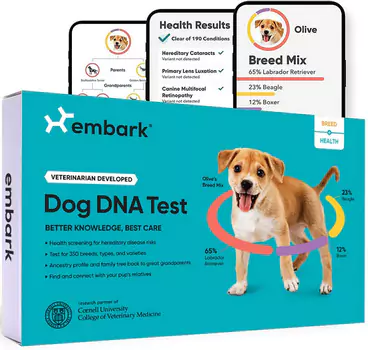
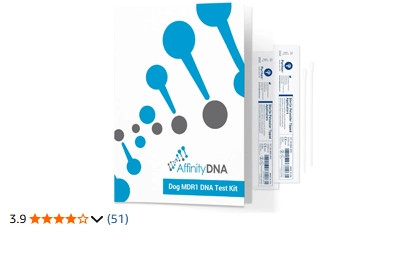
If any genetic diseases are identified in your Sheltie, take the report to your vet who can advise on preventative measures or early treatment. Also note the presence of the MDR1 mutation which is prevalent among herding breeds. The MDR1 mutation makes Shelties more sensitive to the negative affects of certain medications. This includes treatments for fleas, diarrhea, and cancer, as well as commonly used anesthetics.
Support Sheltie Planet
If you value this free content, please check out my Sheltie-focused Amazon store.
More Articles
How to Groom Your Sheltie at Home
The 6 Sheltie Coat Colors
What to Ask a Sheltie Breeder
101 Sheltie Names
Gut Health in Shelties
How to Bath Your Sheltie
Is Your Sheltie Fat?