The quality of Sheltie breeders varies wildly in the US—from puppy farms to suburban backyards to champion-producing kennels—so choose wisely.
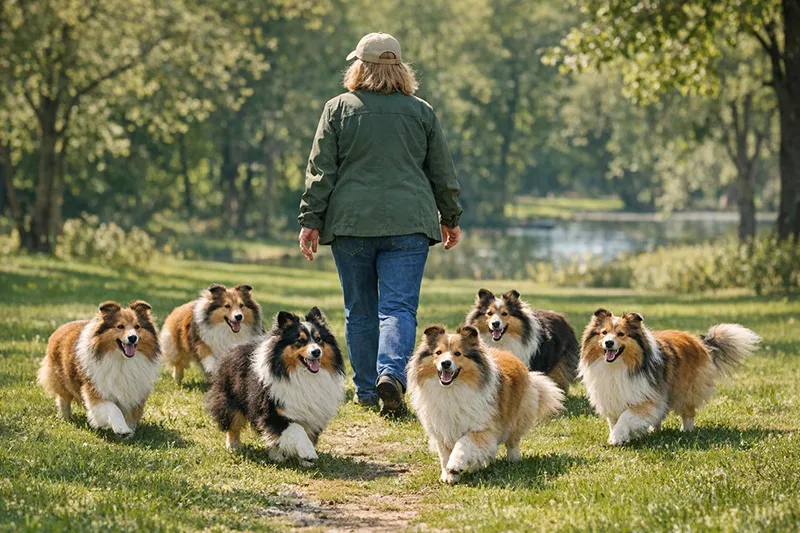
Finding a good breeder isn't just about searching out a litter of Sheltie puppies online and asking "how much?" It's about finding a preservationist who cares more about the breed's future than their own wallet. Once you find a Sheltie breeder in your area, contact them to ask these eight specific questions before you commit to anything—emotionally or financially. Serious breeders welcome serious buyers and recognize this is not an interrogation but sensible due diligence.
1. What health screenings have been performed on the parents?
This is the gold standard question. You're looking for genetic clearances on the parents to ensure your potential new puppy hasn't inherited any diseases known to the Shetland Sheepdog gene pool.
Purebred dogs are more prone to specific hereditary issues. Genetic issues seen more often in Shelties include patellar luxation, hip dysplasia, dermatomyositis, Collie eye anomaly, and Von Willebrand Disease, among others. As many as 15% of Shelties also have a mutation in the MDR1 gene which makes them dangerously sensitive to standard medications like heartworm preventatives.
When you find a Sheltie breeder, ask if the parents have OFA clearances (for hip dysplasia and thyroid disease) and ACVO/CERF exams for eyes (for Collie Eye Anomaly). These show proof of physical vet checks which give the parent dogs the all-clear. A good breeder won't be offended—they'll answer happily and point you to the online database where you can verify the results.
If the breeder gets defensive, evasive, or claims "tests are unnecessary" or there are "no health problems in their breeding lines"—this is a major red flag.
Even better, ask for the parents' CHIC numbers. If available, it means these dogs have completed all the breed-specific health tests required by the American Shetland Sheepdog Association and the owner has opted to make those results public in the CHIC database. Note that these health results could be good or bad; the database exists to encourage transparency, not demand perfection. More than 150,000 dogs across 200+ breeds have been issued CHIC numbers to date. That's a substantial dataset, but it also means many breeding dogs still don't have CHIC numbers.
In summary, if a breeder says, "they're all healthy" but can't produce either a CHIC number or OFA certificates when asked, they're cutting corners. Below is a summary of the recommended health checks listed for all Sheltie breeders.
| Health Condition | Diagnostic Test |
| Hip Dysplasia (HD) | X-rays reviewed by specialist |
| Eye Disease | ACVO eye exam by specialist |
| Autoimmune Thyroiditis (AT) | Repeated blood tests at set ages |
| Elbow Dysplasia (ED) | X-rays reviewed by specialist |
| Patellar Luxation (PL) | Veterinary orthopedic exam |
| Cardiac Disease | Heart exam by specialist |
| Dental Disease | Veterinary dental exam |
| Progressive Retinal Atrophy (PRA) | DNA test: BBS2, CNGA1 genes |
| Collie Eye Anomaly (CEA) | DNA test: NHEJ1 gene |
| Von Willebrand Disease (VWD) | DNA test: VWF gene |
| MDR1 Drug Sensitivity | DNA test: ABCB1 gene |
| Degenerative Myelopathy (DM) | DNA test: SOD1 gene |
| Maxillary Canine-Tooth Mesioversion (MCM) | DNA test: FTSJ3, GH1 genes |
| Delayed Postoperative Hemorrhage (DEPOH) | DNA test: SERPIN2 gene |
2. Have the puppies had their first round of vaccinations, flea treatment, and deworming?
Most puppies get their first core vaccine (usually for Parvovirus, Distemper, and Hepatitis) between 6 and 8 weeks old. Ask the breeder for the signed vet card as proof. If they give a vague answer like "they've had everything" but can't produce any paper evidence, be cautious. Even when they've had their first shots, you still need to take your puppy to the vet for two more rounds at 10-12 weeks and 16-18 weeks, then every year for the rest of their life. See the puppy vaccine schedule for more details.
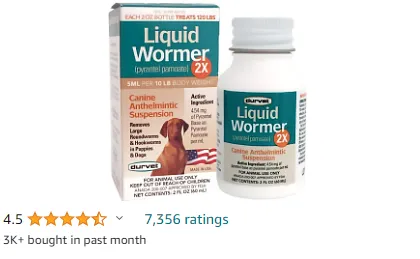
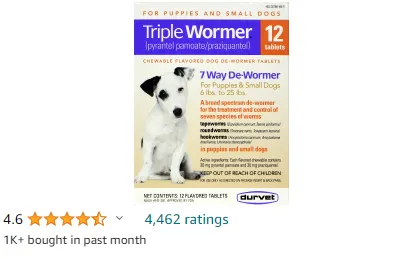
Deworming is also essential for puppies so ask the breeder how many treatments they've had (usually given at 2, 4, 6, and 8 weeks). Worms are often passed from the mother before birth or through nursing. These parasites live in the environment and steal vital nutrients, causing stunted growth, a bloated pot-belly appearance, and serious digestive issues. Keep your puppy's environment clean and give a monthly deworming pill to ensure they grow up strong and healthy.
When it comes to flea prevention, puppies under 8 weeks are often too young or too small for standard chemical preventatives. Ask what flea preventative the mother is on, as this at least stops her bringing fleas into the whelping box. For chemical-free prevention once you bring your puppy home, try an anti-flea collar for dogs with natural ingredients that spread through your Sheltie's fur to repel both ticks and fleas.
3. How have the puppies been socialized so far?
Shelties are naturally sensitive dogs and can be prone to shyness or being easily spooked. A puppy raised in a barn without a range of human interactions will likely grow into a fearful adult. Some breeders are so notorious for skittish dogs that even their show dogs cower. If they haven't been in the house around family and children, you're starting at a deficit.
Ask the breeder if they use programs like Early Neurological Stimulation (ENS). Developed by the US military, it's based on the principle that mild, controlled exposure to stressors (eg, to vacuum cleaners or noisy car rides) early in life builds psychological resilience for years to come. Another program, Puppy Culture, combines ENS with structured socialization, startle-recovery work, sound desensitization, and early problem-solving. It's widely recognized and respected in the ethical breeding community, especially among performance, working, and show breeders who keep puppies longer and track outcomes.
Breeders who socialize their puppies can explain when, how, and why they do it. They'll talk about day-3 to day-16 handling, startle thresholds, recovery, and individual puppy differences. Backyard breeders and puppy farmers using words as marketing confetti will be vague and unable to elaborate on the details.

4. What's the mother's temperament and can I meet her?
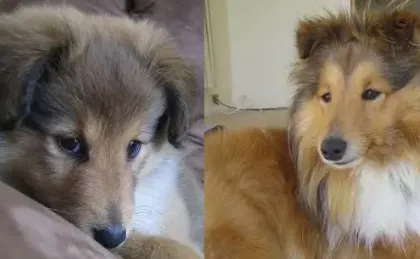
While the sire (the father) is often a traveling man from another kennel used to diversify genetics, the dam (the mother) should almost always be on-site and available for you to meet. Her temperament serves as the fundamental blueprint for the litter; puppies don't just inherit her genetic predispositions, they actively mirror her reactions to the world during their most formative weeks. A stable, confident mother provides a safe base that encourages her puppies to explore, whereas a high-strung or fearful mother can inadvertently teach her offspring that new people and environments are sources of threat.
When meeting the dam, look for a dog that embodies the classic Sheltie sweetness. She may be naturally reserved or observant with strangers, which is true to the breed standard, but she should never exhibit signs of hysterical barking, extreme shyness, or aggression. A reputable breeder will be proud to show you the mother's interaction with her pups and you: a calm and friendly dam is the best living evidence of the emotional health of the line. If the breeder makes excuses as to why the mother can't be seen, or if she appears physically or mentally overwhelmed, consider it a major warning sign regarding.
5. Why did you choose this breeding pair?
A reputable Sheltie breeder can explain why they've chosen two dogs for mating with scientific and artistic precision. They can discuss the specific strengths and weaknesses of both the sire and the dam, and how those traits complement one another. Avoid breeders who mate two dogs simply because they happen to own both or because "they're cute".
Seek a Sheltie breeder who's always trying to move the breed closer to the AKC Breed Standard. Although you're seeking a pet-quality dog, a dog bred for official conformation is more likely to have the correct skeletal alignment that prevents expensive joint issues later. What's more, a serious breeder doesn't just look at the two dogs in front of them; they look at five generations of ancestors. They can tell you about the longevity of the bloodlines, the temperament of the grandparents, and whether certain health issues have cropped up in distant cousins. This level of research significantly reduces the genetic lottery of buying a puppy and gives a clearer picture of what your dog will be like as an adult.
6. At what age do you allow the puppies to go home?
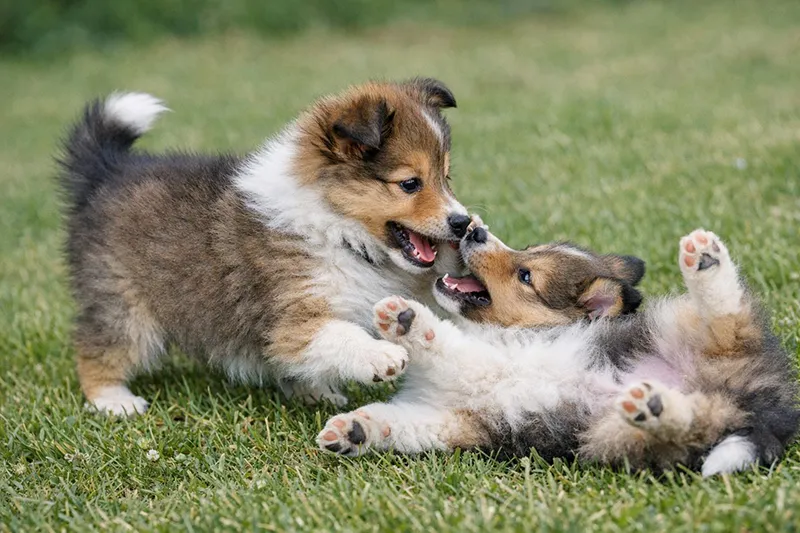
In the US, the sweet spot is generally 8-10 weeks. Breeders who try to push puppies out at 6 weeks are doing a major disservice to the dog's social development. The extra few weeks with their littermates is when they learn key lessons like bite inhibition (how to not use your hand as a chew toy) as well as giving them extra social exposure.
Furthermore, this period is a critical window for emotional weaning and confidence building. Between 6 and 8 weeks, puppies transition from being entirely dependent on their mother to becoming curious, independent explorers. Staying with the litter during this time allows them to learn dog language through play-fighting and boundary-setting from their mother. Puppies removed too early are significantly more likely to develop separation anxiety, noise phobias, and reactivity toward other dogs later in life. A breeder who insists on the 8-to-10-week mark is prioritizing the puppy's long-term mental health over a quick sale.
7. What is your policy on take-backs?
This is the ultimate litmus test for an ethical Sheltie breeder. It's a sad truth that some puppies don't work out in their new homes. Sometimes new dog owners can't handle the responsibility of a puppy, or don't invest sufficient time in obedience, or find their puppy doesn't get along with their cats.
A responsible breeder will have a clause in their contract stating that if at any point in the dog's life you can no longer keep them, they must go back to the breeder. They care deeply about their puppies and are choosing you as a responsible dog owner as much as you are choosing them. If you give up your pup to a shelter, or sell them online, the breeder has no idea where they end up.
8. What kind of support do you offer after the puppy comes home?
A good Sheltie breeder is your expert advisor for life, willing to offer breed-specific insights on anything from ear-tipping (training the ears to have that signature Sheltie fold) or obedience training (like stopping your Sheltie running across the road to chase a cat). If they stop answering your texts the moment the payment clears in their bank account, they aren't a partner in your dog's journey through life.
When you finally come to visit the breeder in person to meet your puppy, ask for hands-on instruction about anything you're unsure of. For instance, while 80% of dogs have some form of periodontal disease by the time they're two years old, Shelties are particularly prone to "Sheltie mouth" (crowded teeth or misalignment). A responsible breeder will be able to show you how to brush their teeth.
And if you've never owned a double-coated dog before, have them demonstrate on one of their adult dogs how to groom a Sheltie. Professional breeders are the ultimate grooming gurus and many having tamed their Shelties' coats to perfection for conformation. They can also explain about the shedding season when Shelties blow their coats and how to tackle problem areas like behind the ears.
Red Flags to Watch For
When searching for a Sheltie breeder near you, keep your spidey senses tingling for these warning signs:
- Pushy Sales Talk. If the breeder pressures you to put down a deposit immediately because there's someone else who wants the puppy, walk away. This is the tactic of someone who is desperate to sell yet another puppy, not a pro breeder with a waiting list of buyers.
- Multiple Dog Breeds. A breeder who has five different breeds of puppies available at once is very likely a puppy mill or a high-volume commercial breeder. Look for a dedicated expert who specializes in one or at most two dog breeds.
- Price Disparity. In the US, a well-bred Sheltie from health-tested parents typically costs between $1,500 and $2,500. If you see a Sheltie puppy for sale for $600 on a classified site, you're likely buying from a backyard breeder who has cut corners.
Puppy mills are rife in the US. To avoid putting money back into this cruel industry, see my article 6 Warning Signs of a Puppy Mill.
Final Thoughts
Shelties are shadow dogs: loyal mini-beasts who want to be with you at all times. By asking these questions to breeders, you aren't being difficult; you're being a responsible advocate for your future best friend. You're ensuring that the puppy you fall in love with has the best possible chance at a long, healthy life, free from genetic and environmental pitfalls that plague poorly bred lines.
Support Sheltie Planet
If you value this free content, please check out my Sheltie-focused Amazon store.
More Articles
How to Groom Your Sheltie at Home
The 6 Sheltie Coat Colors
The Best Dog Beds for Shelties
Does Your Dog Back Sleep?


Sheltie Rescue Listings
The Lifetime Cost of a Sheltie
Can Dogs Smell Cancer?