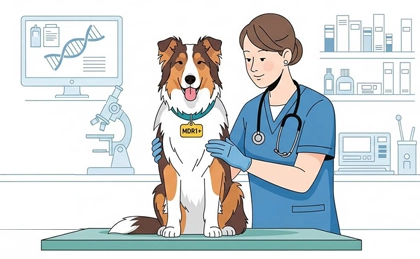
Shelties are physically smaller than many working or sporting breeds, but their nutritional needs are proportionally high for their size.
As bright, agile herding dogs, Shelties were originally developed for stamina, quick decision-making, and long working days in harsh conditions. That breeding history shows up in modern Shelties as high energy levels, sharp minds, dense double coats, and a known set of genetic risk factors.
A balanced diet from a quality dog food supports muscle strength, joint health, skin and coat quality, immune resilience, and cognitive performance. Miss the balance, and problems appear quietly before they snowball. Get it right, and your Sheltie stays spry, bright-eyed, and enthusiastic well into their senior years.
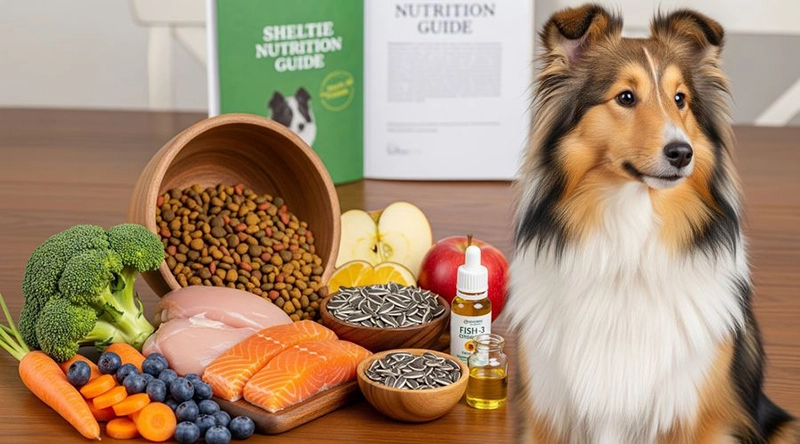
Protein - The Foundation
Protein supplies amino acids which are the raw materials dogs use to build and repair muscle, produce enzymes and hormones, maintain immune defenses, and regenerate tissues. Some amino acids (such as lysine, methionine, and tryptophan) are essential, meaning they can't be made in the body must be sourced from their every day diet.
Because Shelties are naturally active and lean dogs, insufficient protein shows up quickly as muscle loss, weakened immunity, low energy, and a dull or thinning coat. The best protein sources for Shelties are high-quality, animal-based proteins:
Lean meats like chicken, turkey, lamb, and beef
Fish, which also delivers valuable omega-3 fatty acids
Eggs and some dairy for a broad amino acid profile
When you examine the list of dog food ingredients on the pack, seek specifically named meat sources like "chicken" or "beef" as opposed to the far more generic "meat meal". How much protein should you feed a Sheltie?
Adult Shelties thrive when protein makes up 20–30% of their daily food intake. Puppies require a little more, around 25–35% protein, to support their rapid growth and development.
Shelties with pre-existing kidney disease must avoid excessive protein intake because it adds strain; in this case seek veterinary guidance for advice tailored to your dog.
Fats - Energy and Brain Power
Fat is the most concentrated energy source in your Sheltie's diet, providing more than twice the calories per gram as protein or carbohydrates. For a lively breed, this energy density is valuable for:
Brain and nervous system function
Skin elasticity and coat shine
Absorption of vitamins A, D, E, and K
Hormonal signaling and inflammation control
Not all fats are equal. A quality Sheltie diet includes good fats: omega-3s (like EPA and DHA from fish oil) and omega-6s (from poultry fat or plant oils). An omega-3 to omega-6 ratio of roughly 1:5 helps prevent inflammatory skin conditions, to which Shelties are especially prone as a result of their dense double coats.
Carbs and Fiber
Dogs don't require carbohydrates as a prime source of fuel, but high-quality carbs can safely provide extra energy, such as as glucose for brain function and muscle activity.
However, beware that cheap dog food contains poor-quality carbs, serving as cheap filler. Avoid these and opt for protein-rich dog food instead. Support your Sheltie's metabolism and gut health with well-chosen carb sources on the ingredients list:
Brown rice, barley, and oats for steady energy release
Sweet potatoes and peas for fiber, vitamins, and minerals
Speaking of fiber, this non-digestible stuff is still essential for a healthy body. It regulates bowel movements, feeds beneficial gut bacteria, and helps with weight control:
Soluble fiber (like beet pulp) slows digestion and stabilizes blood sugar
Insoluble fiber (like whole grains, carrots, and green beans) supports regular elimination
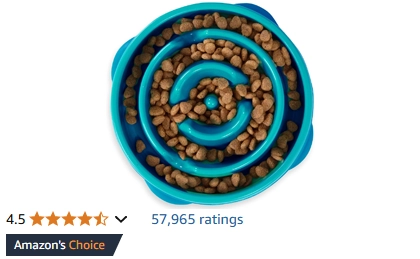
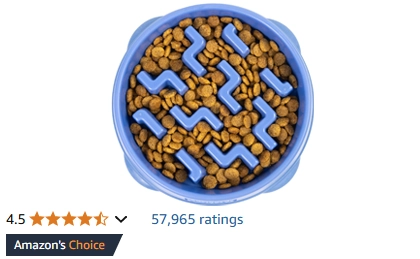
For Shelties who gain weight easily after neutering or slow down with age, fiber becomes particularly valuable as it adds bulk to their food, making them feel fuller without contributing to canine obesity. If you have an overweight Sheltie, consider feeding with a slow feed bowl, designed by vets to encourage dogs to eat slower and feel the full-stomach signal before they overeat.
Vitamins and Minerals
While Shelties only need vitamins in tiny amounts, deficits stack up to produce serious consequences over time. A high-quality commercial diet can provide all the vitamins your Sheltie needs, unless your veterinarian recommends otherwise. Check dog food labels for:
Vitamin A for vision, skin health, and immune function
B Vitamins for energy metabolism, nerve function, and red blood cell production
Vitamin D to regulate calcium and phosphorus and support skeletal integrity
Vitamin E as a powerful antioxidant protecting cells from damage
While there is a burgeoning pet supplement industry, research carefully before you put your Sheltie on vitamin supplements. Excess supplementation can be just as harmful as deficiency, overwhelming normal metabolic controls, disrupting nutrient balance, and causing toxicity or organ stress.
Minerals are the scaffolding behind nearly every biological process: bone formation, nerve signaling, enzyme activity, and oxygen transport included. Essential minerals for Sheltie nutrition are:
Calcium and phosphorus for bone and dental health
Iron for red blood cells and oxygen delivery
Zinc to support immune function and coat quality
Magnesium for muscle contraction and nerve signaling
As with vitamin supplementation, both deficiency and excess minerals can cause real harm, so aim for balance. Mineral imbalances may lead to growth abnormalities, joint problems, or metabolic disorders, particularly in growing puppies.
Remember Clean Water
Water enables every physiological process in the body, including temperature regulation, digestion and nutrient absorption, and joint lubrication and cellular hydration.
Give your Sheltie access to fresh water at all times, especially after exercise and in warm weather. Dehydration doesn't show up dramatically in dogs; it tends to appear as subtle symptoms like fatigue, constipation, or reduced appetite in the earlier stages.
Final Thoughts
Look beyond branding and marketing language and focus on fundamentals. In my article What's The Best Dog Food for Shelties? I've broken down ingredients to avoid such as "meat and bone meal" and potentially harmful chemical additives like ethoxyquin and propylene glycol. I also highlight reputable manufacturers and the basics of a raw food diet for Shelties.
Shelties are highly active, intelligent, double-coated dogs with distinct genetic risk factors and their nutritional needs reflect that heritage. Take care of your Sheltie's nutrition and they'll give you sharp attention, tireless enthusiasm, and a long, healthy life by your side. Feed without care, and the costs arrive quietly, then persistently.
Support Sheltie Planet
If you value this free content, please check out my Sheltie-focused Amazon store.
More Articles

How to Groom Your Sheltie at Home

The 6 Sheltie Coat Colors
How to Kill Fleas & Ticks
Blue Merle Shelties



101 Cute Sheltie Puppies
Are Shelties Good Family Dogs?
Daycare and Kennel Vaccines