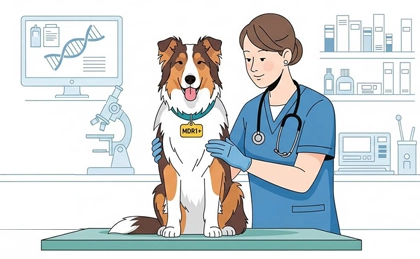
Alongside a sensitive temperament, Shelties often have an equally sensitive digestive system—fitting, since the gut is also known as the second brain. That gut sensitivity shows up as loose stools during stressful moments, food intolerances that seem to appear from nowhere, and skin flare-ups that track closely with digestive upset.
For such a finely tuned breed, digestive balance is central to your Sheltie's overall health and wellbeing. This article explores why gut health matters for sensitive herding breeds, how probiotics fit into the picture, and what you can do to support your dog's long-term vitality.
Why Shelties Have Sensitive Guts
Shelties were bred to be highly alert, responsive, and attuned to their environment. That sensitivity is an asset in the field but in a modern home, it can translate into stress reactivity that the digestive system feels first. New environments, travel, loud noises, and even subtle changes in routine can all trigger gut issues.
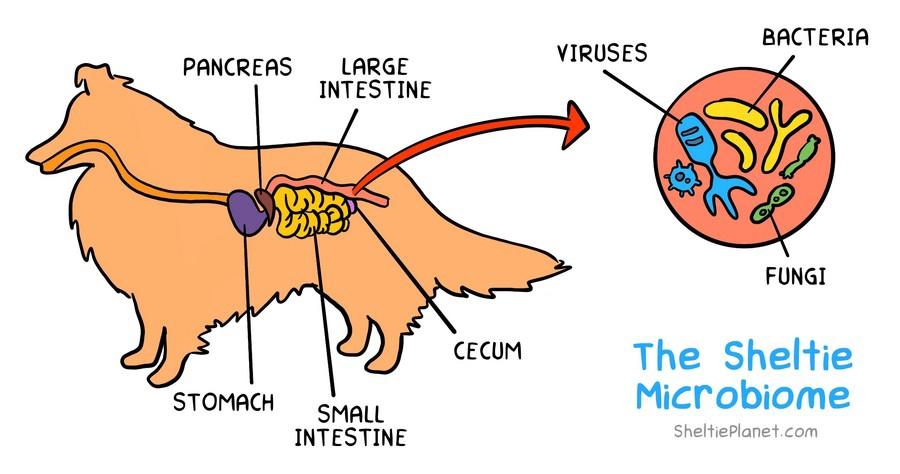
The connection is direct. When a dog becomes anxious or overstimulated, the balance of beneficial bacteria in the digestive tract can shift, changing the dog's microbiome. The result may be loose stools, gas, appetite changes, or inconsistent bowel movements.
Some Shelties are also prone to food sensitivities. These aren't full blown allergies but irritation from certain proteins or ingredients that disrupt an already delicate gastrointestinal system. Over time, the repeated irritation can compromise the gut lining and throw the microbial balance further off course.
The gut does far more than process food. A significant portion of the immune system lives in the gastrointestinal tract, in constant conversation with the microbiome. When that microbial community is balanced, it supports nutrient absorption, regular digestion, and immune resilience. When it's disrupted, the effects can spread well beyond the digestive system, showing up as itchy skin, a dull coat, or greater susceptibility to minor infections.
How Probiotics Support Sensitive Shelties
Probiotics are live, beneficial bacteria that help maintain a balanced gut microbiome. For sensitive breeds, they can act as a stabilizing force — particularly during periods of stress or dietary change.
Vets commonly recommend specific strains for canine gastrointestinal support, including Enterococcus faecium and Bifidobacterium, both of which are associated with maintaining digestive balance in dogs. Introduced consistently, these beneficial bacteria help crowd out less desirable microbes and support regular stool quality.
Probiotics tend to be most helpful during:
- Transitions to new foods
- Travel or boarding
- Antibiotic use
- High-stress events (thunderstorms, grooming, medical visits)
For owners looking for targeted digestive support, it's worth seeking out formulations developed specifically for dogs — ones that clearly identify their strains rather than repurposing human supplements. Pup Labs offers a probiotic-forward approach designed with both oral and gut health in mind, as part of a broader goal of maintaining microbial balance in sensitive breeds.
A conversation with your vet is a good starting point, especially for dogs with ongoing digestive issues. A vet can help determine whether symptoms point to a simple microbial imbalance or something that warrants deeper investigation. Pup Labs positions its digestive and oral support products as proactive care rather than reactive treatment, which reflects how supplements work best: integrated into a consistent wellness routine before problems escalate, not after.
Digestive health doesn't exist in isolation: where a dog comes from, how they were bred, and early care all influence their long-term resilience. Dr. Scott Rovner, a Chicago veterinarian and founder of Veterinary Professionals Against Puppy Mills, has spoken openly about the increased medical and behavioral challenges often seen in dogs from large-scale commercial breeding operations compared to those from ethical, health-focused breeders. It's a reminder that long-term health begins before the first probiotic is ever opened.
Supporting Gut Health Beyond Supplements
While probiotics can play a meaningful role, they are just one piece of the puzzle. A stable digestive system in Shelties depends on multiple factors working together:
A routine feeding schedule at the same time each day helps regulate digestion and reduce stress-related gut fluctuations.
Avoid abrupt diet changes by tapering between old and new foods over several days at minimum to give the microbiome time to adjust.
High-quality dog food is essential; even the best probiotic can't compensate for a diet that irritates a sensitive gut.
Track reactions to foods and avoid feeding ingredients that have a negative affect on stool consistency, energy levels, and coat condition.
Routine vet visits can help catch health changes including digestive issues before they become chronic diseases.


Sensitive herding breeds like Shelties thrive when their care is proactive rather than reactive. Gut health is about supporting the immune system, nutrient absorption, and overall resilience—and for finely-tuned Shelties, it's worth getting right.
Responsible breeding lays the groundwork. Attentive nutrition, stress reduction, and thoughtful supplementation build on it. Probiotics aren't a cure-all, but selected carefully and used consistently, they can help maintain the microbial balance that sensitive breeds depend on. They support the kind of long-term health that lets a Sheltie be fully, characteristically themselves.
Support Sheltie Planet
If you value this free content, please check out my Sheltie-focused Amazon store.
More Articles

How to Groom Your Sheltie at Home

The 6 Sheltie Coat Colors

The Best Dog Beds for Shelties
Do Shelties Need Fish Oil?



101 Shelties in The Bath
Adjusting To a New Roommate

Hear Our Shelties Talk