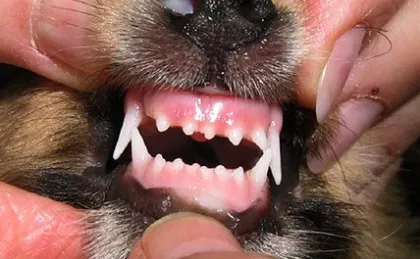
Puppies find chewing a very satisfying activity, particularly while their teeth are coming through. The trick is to teach them what is and isn't acceptable for chewing.
Is your Sheltie chewing everything she can get her tiny jaws around? Not all dogs feel the inclination to chew. Some find it a very satisfying activity, while others do a lot of chewing as puppies and then grow out of it as they get older. It only becomes a problem when your puppy or dog is engaging in destructive chewing—that is, chewing the wrong things.
Your Sheltie has strong jaws full of sharp, pointy teeth: just about anything she chews on is going to be damaged in less than a minute. She doesn't care if it's your TV remote, your favorite stuffed toy, your shoes, or your new sunglasses. It's this destructive gnawing of your personal possessions that we want to eliminate.
If puppy wants to chew, that's all good. Just give her some designated chew toys like a Chew King, and daily dental chews like Virbac Oral Hygiene Chews. Teach her that everything else is off limits, then everyone's happy.
Setting The Rules on Puppy Chewing
Shelties are extremely intelligent dogs; even as puppies they are perfectly capable of learning not to chew your treasured possessions. You just have to teach them.

Step 1. Dog-Proof Your Home
Your first step should be to dog-proof your home. Even if you have the most well-behaved Sheltie in the world, there's still no reason to test her self-control. After all, dogs explore the world with their mouths so leaving out-of-bounds objects in her path is tempting fate.
To dog-proof your home means taking anything you don't want chewed to pieces, and making it unavailable. Can she jump? Can she climb, or leap onto something else to reach the desired object? How tall is she when standing on her back legs? Shelties can be surprisingly ingenious when you're not looking.
Common targets in the home include books and newspapers, eye glasses, dirty clothes in the wash basket, socks and shoes, anything in the garbage and small crunchy appliances like cameras, cell phones and remote controls.
All food needs to be put securely away. Don't leave snacks on low tables and put all food away into containers or the pantry. And definitely keep the dog kibble behind closed (and perhaps locked) doors!
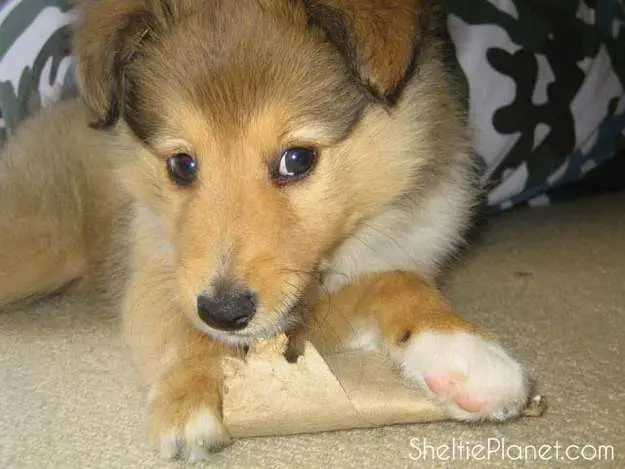
Step 2. Don't Let The Habit Develop
Prevent your Sheltie from learning the joys of illegal chewing. The more times she manages to snatch a jawful of a forbidden substance—a chair-leg, a pillow, a running shoe—the more readily she'll target those items in future.
If you can prevent her from chewing your stuff in the first place, it's a lot easier for her to understand what you expect. Practically speaking, this means confining her in a dog-proofed area until you're confident of her understanding of the house rules.
Step 3. Make The Boundaries Clear
Don't set her up for failure by blurring the boundaries between her stuff (things that are OK to chew) and your stuff (things that are not OK to chew). Don't offer your dog cast-off clothes, shoes or towels to chew and play with. Realistically, you can't expect her to be able to tell the difference between your current shoes and the old one she's got in her mouth that you gave her five minutes ago.
Step 4. Provide Plenty of Dog Chews
Give your puppy chewing options. Provide lots of tasty dog chews and chew toys which are way more appealing than your own belongings. If her environment is barren of attractive, appropriate chewing objects, you can hardly blame her for targeting your possessions.
Remember that most dogs need to chew when they're young. Get a variety of chew toys and give her two or three to play with at a time. Rotate the available toys every few days to keep things novel and interesting for her. Also offer her a daily dental chew to maintain oral hygiene.
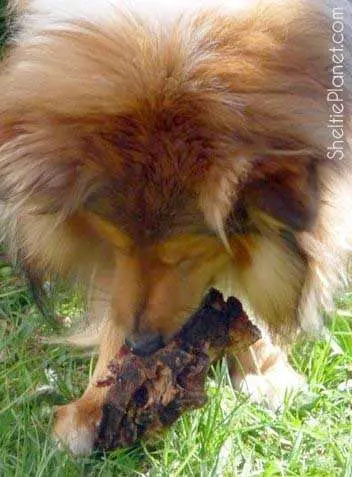
Step 5. Supervise Your Sheltie
Spend lots of time actively supervising your chew-happy pup. She can't learn what you expect of her if she's always boxed out the way in a dog-proof zone. Your Sheltie needs the opportunity to explore the boundaries of your expectations, so she can understand what's appropriate and what's not.
Step 6. Catch Her in The Act
When you catch her chewing something inappropriate, interrupt her by making a loud noise: clap your hands or make an "ah-ah-aaaah!" noise. Then, immediately hand her a tasty, dog-appropriate alternative (a rawhide bone or other chew toy). As soon as her jaws close around it, praise her lavishly. There is no better way to get your Sheltie to understand that chewing her own toys equals praise from you—but chewing everything else equals trouble.
Final Thoughts
Above all, keep your expectations realistic. You're not perfect and neither is your Sheltie: there will probably be at least one incident where a cherished item is damaged by her curiosity. (And in reality, there will probably be several incidents.)
Particularly in the early stages of your relationship, she's still learning the ropes: it'll take awhile before she's completely reliable (and even then, if she's left by herself for too long or feels neglected, she may choose your stuff over hers to occupy her time and jaws with.)
Remember to give her time to learn the rules and plenty of dedicated attention to help her learn faster—and don't forget to keep things out of reach until she's got the hang of the chewing rules.


Freeze-Dried Beef Liver Treats, Single Ingredient, High Protein, 17.6 oz
Shop Amazon >
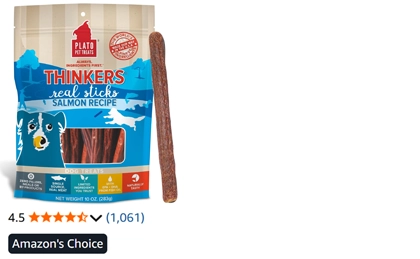
Air Dried Salmon Sticks Dog Treats, Real Meat, Made in the USA, 10oz
Shop Amazon >
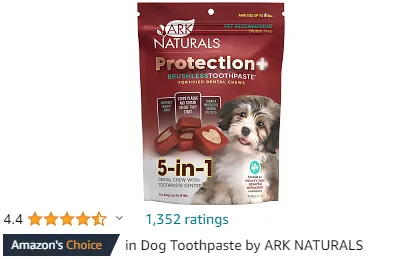
ARK NATURALS Protection+ Brushless Toothpaste, Dog Dental Chews for Small Breeds
Shop Amazon >
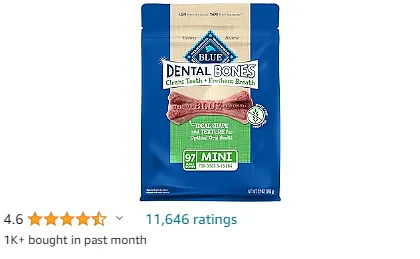
Blue Buffalo Dental Bones, Mini Natural Dental Chews for Small Dogs (5-15 lbs)
Shop Amazon >

The Truth About Mini Shelties

Does Your Dog Back Sleep?

Sheltie Rescue Listings