Today we cut through the marketing noise and look at how to choose good dog treats to support your Sheltie's health and wellbeing.
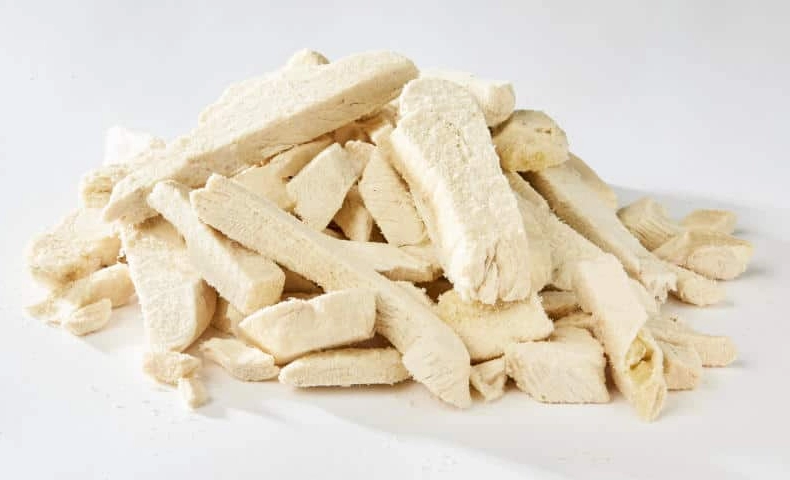
Dog treats are the currency of dog training. The reward for good recall. They make crate time enriching on a rainy afternoon. And they distract your velcro dog when you need to leave the house. When chosen thoughtfully, treats are a valuable physical and psychological boost; but careless choices can cause excessive weight gain and undermine the quality of your Sheltie's otherwise healthy diet.
The pet food aisle is bewildering: from freeze-dried livers, to paw-shaped biscuits packed with additives, to chewy strips of unknown origin coming in unnatural colors. Only a fraction of the dog treats available actually deserve a place in your treat stock. Here's how to tell the difference between the good, the bad, and the ugly.
Read The Ingredient List
Treats make up a meaningful amount of your dog's daily calories. Vet nutritionists say to keep treats at less than 10% of daily intake, and for a small breed like a Sheltie, it's easy to tip over that. Every treat counts. Which means it's worth making them count for something.
The ingredient list is your first filter, and it's more useful than any marketing claim on the front of the packet. Ingredients are listed by weight, so what appears first is what's actually in there. For a good treat, that should be a recognizable animal protein: beef, chicken, turkey, salmon, lamb, duck. Not "meat derivatives" or "animal digest" - the actual name of an actual.
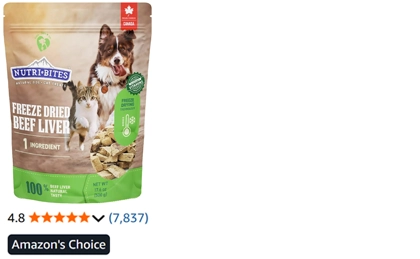
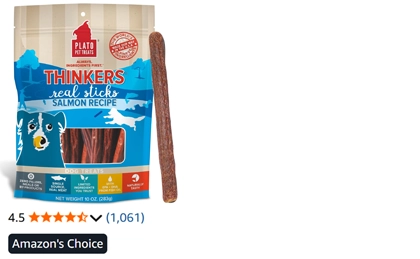
Single-ingredient dog treats like freeze-dried liver or air-dried salmon are especially useful if your Sheltie has food sensitivities, because there are no complex ingredient lists to hide behind. While a shorter ingredient list doesn't automatically mean higher quality, it's a good sign that reveals less processing and fewer fillers.
Look for Real Protein
Dogs are naturally adapted to consume animal-based proteins, making protein-rich treats the best option. Protein supports muscle maintenance, immune function, skin and coat health, and tissue repair. Protein-rich treats are also more motivating during training, which matters for a breed that responds exceptionally well to reward-based methods.
This is why freeze-dried meats, air-dried treats, and single-ingredient chews have become popular among health-conscious dog owners. Treats from Fresh is Best, for example, are minimally processed and made with simple, protein-rich ingredients. They also tend to be genuinely exciting to a dog who might turn their nose up at a flavouless wheat biscuit.
Avoid Fillers and Additives
Some treats contain ingredients that offer no nutritional value, but to drive the manufacturer's bottom-line. Dogs can't see the color red, so that artificial red dye added to the bacon-flavored strips is for your eyes only. Likewise, the preservatives are there to extend the shelf-life of the product so year-old stocks retain their value.
Other questionable additives include artificial flavorings, added sugars, and low-quality fillers to bulk out the volume. None of these contribute to your dog's health, and some should be actively avoided.
This doesn't mean a treat is bad just because it contains carbohydrates or isn't made from one single ingredient. But if the first few ingredients listed are starches and the protein source is buried somewhere towards the bottom, it's more of a low nutrition biscuit than a healthy meat treat.
Consider Calorie Content
Even excellent treats can cause problems in excess. This is particularly relevant for food-centric Shelties, who claim to be perpetually under-fed regardless of what they've eaten. Use tiny, low-calorie dog treats during training sessions. Or take a larger treat and break it into smaller pieces. Then you can offer more rewards, more frequently, without blowing the calorie budget. Your Sheltie won't notice the difference in size. They'll notice the frequency.
Match the Treat to The Moment
Different treats have different jobs. Understanding what you're reaching for and why makes it easier to choose well.
Training Treats
During a training session, you want something small, easy to chew quickly, highly motivating, and low in calories. Since Shelties can receive dozens of rewards in a single session, bite-sized is better. Your dog's enthusiasm is the metric, not the size of the treat.
Enrichment Chews
A long-lasting chew gives your Sheltie something to focus on during quiet time and satisfies the natural urge to gnaw. These are especially useful during crate training, on rainy days, or whenever your Sheltie needs something to do with their considerable mental energy. Because chews vary significantly in calorie content, account for them in your dog's overall daily intake rather than treating them as extras.
Special Treats
For the vet visit that went better than expected or the first successful stay in a new situation, a richer treat makes sense as a rare reward. The key is knowing it's occasional, balancing enjoyment with true moderation.
A Word on Safety
Even a nutritionally excellent treat can be dangerous to your dog if it's the wrong size, texture, or hardness. The WSAVA recommends supervising dogs with any chew and choosing products appropriately sized to reduce choking risk. Extremely hard chews with no "give" can cause dental fractures, which are painful and expensive to treat.
For Shelties with allergies, pancreatitis, dental issues, or other health conditions, it's worth checking with your vet before introducing anything new.
Natural Isn't Always Better
The word "natural" works hard on dog treat packaging but it doesn't mean it's the right treat for your Sheltie. A natural treat can be high in calories, or excessive in fat, or just plain wrong for your dog's chewing style. Rather than trust the front of the packet, trust the back. Understand the ingredient quality, nutritional value, calorie content, digestibility, size suitability, and safety for your dog specifically.
Watch How Your Sheltie Responds
All of the above is general guidance and we can't forget that your Sheltie is an individual. They'll tell tell you things that no ingredient list can. After introducing a new treat, watch for digestive changes, stool quality, skin reactions, or changes in appetite or energy.
Good signs are equally informative: healthy digestion, genuine enthusiasm during training, consistent body condition over time. Their individual response is the final word on what makes the best dog treat for your Sheltie.
Final Thoughts
A good dog treat does more than just taste good. The best treats support your dog's health and fits comfortably into a balanced diet. For Shelties, who are sharp, active, and opinionated, the right treat does real work. To find it, avoid being swayed by pretty packaging and marketing hype, and focus on quality ingredients, meaningful protein, appropriate calories, and overall safety for your dog. You'll be well ahead of the biscuit tin on the counter that's been there since 2020.
Support Sheltie Planet
If you value this free content, please check out my Sheltie-focused Amazon store.
More Articles
How to Groom Your Sheltie at Home

The 6 Sheltie Coat Colors
How to Kill Fleas & Ticks
Sheltie Puppies
101 Shelties in The Bath
Are Shelties High Maintenance?

The Pros and Cons of Spaying