Does your Sheltie need fish oil? An independent look at the health, coat, and skin benefits of an omega-3 supplement.
Shelties carry a thick double coat that sheds heavily twice a year, and that coat is hungry for the right fatty acids. Fish oil is one of the few supplements with genuine science behind it and the studies show that omega-3s found in fish oil support skin, joints, and heart function as your Sheltie ages. It's especially useful if your Sheltie suffers from skin issues like allergies, dryness, itching, peeling, and hot spots.
A fish oil supplement is a worthwhile addition to your Sheltie's diet if you can afford it. Just make sure you choose a supplement with clearly labeled amounts of EPA and DHA. I recommend TTLXRL Fish Oil for Dogs which is based on premium natural ingredients.
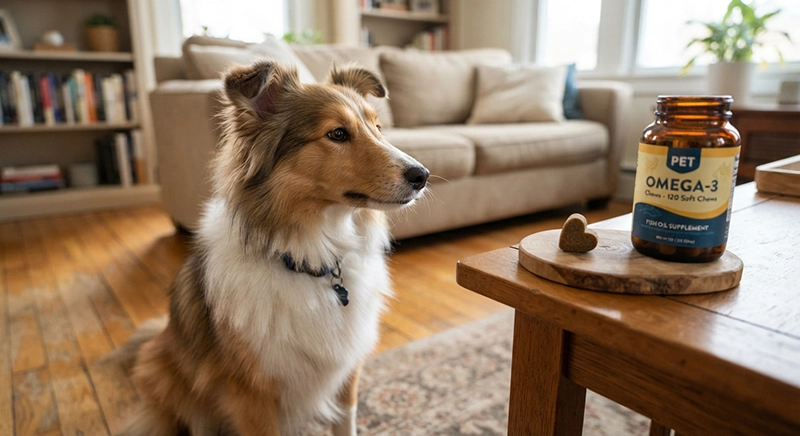
Consistent, correctly dosed fish oil shows up in the coat within a few weeks.
Why Fish Oil Matters for Double-Coated Breeds
The two active ingredients in fish oil, EPA and DHA, are long-chain omega-3 fatty acids that most commercial kibble simply doesn't supply in meaningful amounts. Dry food is processed at high heat, which degrades delicate fats, and even good-quality kibble tends to lean on omega-6s rather than omega-3s. Topping up with fish oil directly addresses that gap rather than relying on the small amount that survives processing.
4 Benefits of Fish Oil for Shelties
Skin & Coat. Omega-3s reduce the inflammation behind itchy, flaky skin and give the coat a visibly glossier, softer finish over a few weeks of consistent use.
Joint Support. EPA and DHA lower the production of inflammatory compounds in the joints, which can ease stiffness in older Shelties or those prone to mild hip or elbow discomfort.
Heart Health. Fish oil helps lower blood triglycerides and has been shown to reduce the risk of irregular heart rhythms, (some lines of Sheltie carry a predisposition to heart disease).
Allergy Relief. For Shelties with environmental or food allergies, the anti-inflammatory effect can meaningfully reduce the itching and skin irritation triggered by allergies.
How Much Fish Oil to Give Your Sheltie
Dosing is based on combined EPA and DHA, not the total volume of oil in the bottle. This is where dog owners get it wrong. A teaspoon of one product might contain three times the active omega-3s of another. Always check the label for the actual EPA + DHA figure per serving, not just the total fish oil.
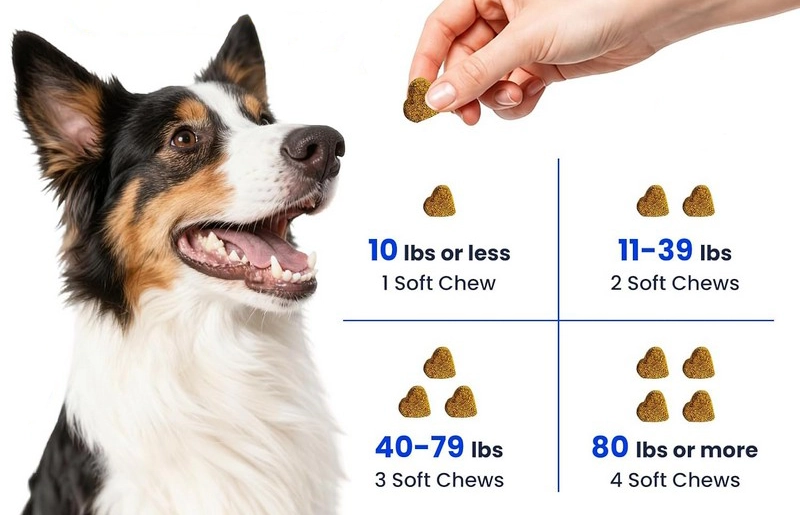
As a general guide, aim for 20–55mg of combined EPA and DHA per pound of your Sheltie's body weight, per day. So a 20lb (9kg) Sheltie sits somewhere in the 400–1,100mg range daily. Start at the low end for a healthy coat-maintenance dose, and move toward the higher end if you're targeting specific issue like joint stiffness or allergies.
Introduce fish oil gradually alongside a meal rather than all at once. This helps avoid the loose stools that can come from a sudden jump in dietary fat.
Choosing a Quality Fish Oil
Not all fish oil is created equal, and the cheapest bottle on the shelf is unlikely to offer the best true value. Omega-3s oxidize easily, so freshness matters as much as the source. Look for:
Clear EPA + DHA figures per serving, not just a vague total fish oil amount.
Third-party purity testing for heavy metals like mercury and lead, which concentrate in larger, longer-lived fish.
Opaque bottle or capsule form since light exposure makes fish oil go rancid faster.
Small, oily fish sources such as anchovy, sardine, or salmon, which carry lower mercury contamination risk.
These TTLXRL Fish Oil chews contain 75mg EPA and 50mg DHA from salmon which has very low mercury levels (0.01-0.05 parts per million).
Risks and Precautions
Fish oil is generally very safe, but it's not entirely without risk. If ingested in excess it can cause loose stools and greasy skin. At high doses it has a mild blood-thinning effect, so talk to your vet if your Sheltie is on anticoagulant medication, has a clotting disorder, or has upcoming surgery.
Rancid oil is the other risk. A fish oil product that's gone off can do more harm than good, so store it as directed (usually refrigerate after opening) and throw it out if it's expired or starts to smell bad.
Fish oil is one of the few supplements for Shelties genuinely backed by evidence and directly addresses a gap most kibble leaves behind. Dose it correctly for your dog's weight, buy from a source you trust, and give it a few weeks to show up as enhanced skin and coat.
Support Sheltie Planet
If you value this free content, please check out my Sheltie-focused Amazon store.
More Articles

How to Groom Your Sheltie at Home

The 6 Sheltie Coat Colors

The Truth About Mini Shelties

52 Shelties Being Ridiculous



8 Dog Breeds Similar to Shelties

The Warning Signs of Puppy Mills

The Pros and Cons of Neutering