Most daycare and boarding facilities require up-to-date core vaccines (distemper, adenovirus, parvovirus, and rabies) plus certain additional ones (bordetella and canine influenza). Remember, vaccines take 7–10 days to provide protection, so check your facility's rules ahead of time and schedule any shots in advance.
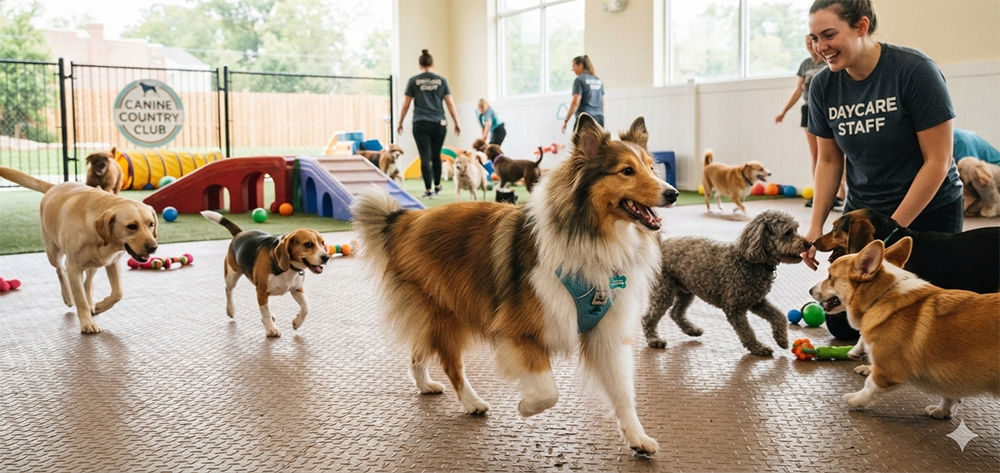
Daycare and boarding bring dogs into close contact with other animals, shared air, water bowls, and toys. This proximity creates ideal conditions for infectious diseases to spread. Let's examine what each vaccine type actually protects against, and what happens to an unvaccinated dog who catches these diseases.

Core Vaccines: The Foundation
Before we discuss daycare-specific vaccines, your dog's routine core vaccines must be current. These are recommended for all dogs, everywhere, because they protect against serious, potentially fatal diseases. Your dog's vaccination record should show these shots are all current. If your dog's records are incomplete or overdue, contact your vet before scheduling daycare or boarding, and allow yourself time to spread the vaccines apart so as not to overwhelm your dog's immune system.
Distemper
Canine distemper is a highly contagious viral disease that spreads through respiratory droplets. An infected dog develops fever, nasal discharge, cough, and vomiting. The virus then attacks the nervous system, causing seizures, tremors, and paralysis. Surviving dogs often have permanent neurological damage. There is no cure and treatment is supportive care while hoping the dog's immune system wins. Many dogs don't survive, and those that do may spend months recovering.
Adenovirus (Infectious Hepatitis)
This virus attacks the liver, causing severe abdominal pain, vomiting, bloody diarrhea, and jaundice (yellowing of the eyes and gums). The liver damage can be permanent. A dog with hepatitis may spend days or weeks hospitalized, receiving IV fluids and supportive care, with no guarantee of recovery.
Parvovirus
Parvovirus is very contagious and particularly deadly in puppies and young dogs. It attacks the intestinal lining, causing severe bloody diarrhea and vomiting. Affected dogs become dehydrated within hours and can go into shock. Treatment requires hospitalization, IV fluids, antibiotics, and round-the-clock care, and even with aggressive treatment, mortality is high. Puppies can die within 48–72 hours of infection, while survivors face weeks of recovery.
Rabies
Rabies is almost always fatal once symptoms appear. The virus attacks the nervous system, causing behavioral changes, aggression, drooling, inability to swallow, and ultimately paralysis and death. Rabies vaccination is also required by law in most areas.
Bordetella: The Daycare Disease
Once your core vaccines are confirmed, most daycare and boarding facilities require Bordetella vaccination. This is where you'll encounter your first daycare-specific requirement.
Bordetella is a bacterium that causes canine infectious respiratory disease. This is casually called kennel cough, though that term undersells how miserable the illness is. An infected dog develops a hacking, uncontrollable cough that can last for weeks. The cough is so violent it sounds like the dog is choking. Sleep becomes difficult. Eating and drinking become painful. Some dogs develop secondary pneumonia. While most dogs recover without treatment, the illness is exhausting for both dog and owner, and the dog remains contagious for weeks.
In a daycare or boarding setting where dogs share air, water bowls, toys, and bedding, Bordetella spreads easily. A single infected dog can sicken an entire facility within days. Bordetella vaccination provides protection within 7–10 days, so don't schedule your dog's vaccine the day before a scheduled visit. Facilities may also have their own minimum waiting periods after a vaccine is given.
Canine Influenza: Increasingly Common
Canine influenza is a newer addition to daycare requirements and is becoming more common as the virus spreads across the country. Unlike Bordetella, which causes an upper respiratory cough, canine flu attacks the lower respiratory tract. Infected dogs develop fever, lethargy, loss of appetite, and a persistent cough. Some dogs develop secondary pneumonia, requiring hospitalization and antibiotics. Most recover within 2–3 weeks, but the illness is serious enough that many vets recommend keeping infected dogs home for at least two weeks.
Canine flu spreads through respiratory droplets and is highly contagious in group settings. If one dog in a daycare has it, others likely will too. This is where facility rules and vet recommendations may differ. A daycare facility handles dozens of dogs from different households every day, so it may require canine influenza vaccination as a standard policy. Your vet, meanwhile, may consider it optional if your dog spends most time at home and rarely meets unfamiliar dogs. Have the conversation with your vet and your facility separately; don't assume one recommendation covers the other.
If your facility requires a canine influenza vaccine, ask which formulation they accept (as there are different strains) and how recently the vaccine must be given before your dog can attend.
Leptospirosis: A Serious Surprise
Leptospirosis may or may not appear on your daycare's vaccine checklist, but it's worth understanding because it's a real risk for dogs with any outdoor exposure. Leptospirosis is a bacterial infection spread through the urine of infected wildlife: raccoons, rats, opossums, and other animals. A dog contracts it by drinking from contaminated water, walking through urine-contaminated soil, or through small cuts in the skin. Unlike Bordetella or canine flu, which spread between dogs, lepto spreads from the environment.
The disease attacks the kidneys and liver. Early signs are vague, such as fever, lethargy, loss of appetite, and vomiting. As it progresses, kidney and liver damage becomes severe. Dogs develop acute kidney failure, requiring emergency hospitalization, IV fluids, dialysis, and extended treatment. Even with aggressive care, some dogs don't survive. Those that do may have permanent kidney damage.
Leptospirosis is part of current core vaccine recommendations. If your dog spends any time outdoors (even neighborhood walks) leptospirosis vaccination is worth discussing with your vet, regardless of whether daycare requires it.
Lyme Disease: Geographic Consideration
Lyme disease vaccination is recommended only in certain geographic areas where tick-borne Lyme disease is documented. If your area has significant tick populations and Lyme disease activity, your vet may recommend this vaccine. If you live in a region where ticks and Lyme are not a concern, it's not necessary. Ask your vet whether Lyme disease is a risk in your area.
The Dog Facility vs Your Vet
This is the most important distinction to understand: your facility determines admission policy; your vet determines medical appropriateness.
A boarding facility requires certain vaccines because it manages groups of dogs every day and needs to manage disease risk. Those requirements exist regardless of your individual dog's lifestyle or risk profile. Meanwhile, your vet evaluates your dog's individual circumstances — where you live, how much time your dog spends outdoors, whether your dog meets unfamiliar dogs, your dog's health history — and recommends vaccines based on actual medical need.
You need to have both conversations. If you're preparing your dog for a training and boarding facility such as K9 Top Performance, check their exact requirements first, then take that list to your vet. Tell them the facility requires these vaccines, and ask what makes medical sense based on your dog's individual situation. Your vet might say yes to all of them, or might suggest some are unnecessary given your dog's lifestyle. Either way, you're making an informed decision.
Planning Ahead
The most common mistake is leaving vaccine planning until the week before a scheduled visit. By then, it's too late if something is missing or overdue.
Two weeks before your first visit: Contact your facility and get their vaccination requirements in writing. Don't assume you know what they want as policies vary by facility and even by service type.
Compare with your records: Pull your dog's vaccination records and check all the dates and when they're next due.
Contact your vet: If anything is missing, overdue, or unclear, call your vet now, not the day before your reservation. If your dog's vaccination history is incomplete, your vet may need time to determine the appropriate next step rather than just issuing new paperwork.
Confirm timing: If any new shots are due, ask your facility whether there's a minimum number of days between vaccination and admission. Some facilities want vaccines given at least 5–7 days before check-in so immunity has time to develop.
Alert about illness: If your dog has been sick recently (coughing, sneezing, vomiting, or diarrhea), tell your facility and vet before the visit. Vaccination records are only part of infection control. A dog showing signs of illness may need to stay home even if every vaccine is current.
A digital copy of your vaccination record on your phone is valuable. You can send it to your facility, show it to a new vet, or access it anytime. Keep your vet's contact information with the record so your facility can verify information if needed.
Before each visit to the same kennels, confirm their requirements haven't changed. Policies evolve as new disease information emerges or local conditions shift. If your dog attends daycare regularly, add vaccine renewal dates to your calendar several weeks before they expire. That gives you time to schedule a vet appointment without disrupting your dog's daycare routine.
The Bottom Line
These vaccines exist because the diseases they prevent are serious. Distemper, parvovirus, and hepatitis can be fatal. Bordetella and canine flu cause weeks of misery. Leptospirosis causes organ damage that can be permanent or deadly. A few minutes spent confirming vaccines before your dog's first daycare or boarding visit is a small investment in preventing real suffering.
Start the conversation with your facility and vet now, not the day before your reservation. Vaccination records are only part of keeping your dog safe in group settings, but they're a critical part.
Support Sheltie Planet
If you value this free content, please check out my Sheltie-focused Amazon store.
More Articles

How to Groom Your Sheltie at Home

The 6 Sheltie Coat Colors

The Truth About Mini Shelties

Blue Merle Shelties



101 Shelties in The Bath

How to Train Your Sheltie

Genetic Diseases in Shelties